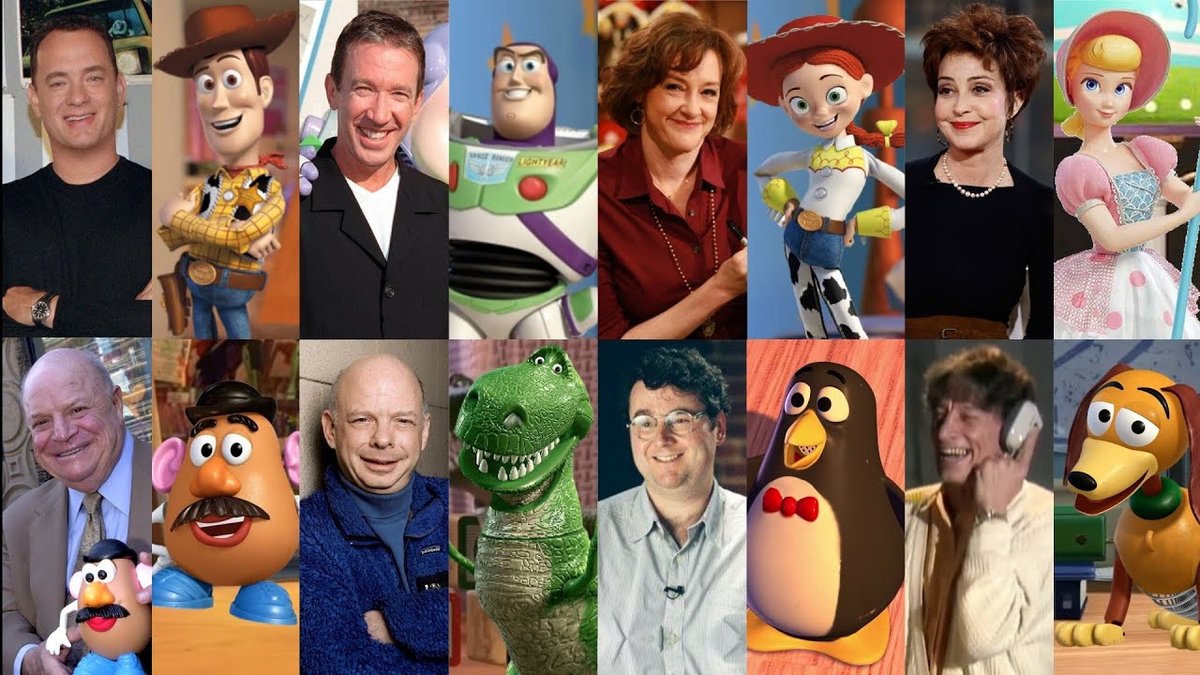
Ever wondered how an animated character leaps off the screen, full of personality and emotion, long before their visuals are even finalized? It's all thanks to the intricate, often invisible, dance of Behind the Scenes: Voice Actor and Character Development. This isn't just about reading lines; it's a profound art form where voices sculpt souls, breathing life into a visual medium with unparalleled depth and nuance.
At a Glance: What You'll Discover
- The Silent Era's Big Bang: How synchronized sound transformed animation and launched voice acting.
- More Than Just a Voice: The unique challenges voice actors face, working without visual cues.
- The Vocal Gymnast: How actors train to master diverse voices, emotions, and character psychologies.
- The Collaboration Crucible: The vital partnership between voice actors, directors, and animation studios.
- Icons of the Booth: Celebrating legendary voice actors and their indelible contributions to animated history.
- Future Voices: The impact of technology and the evolving landscape for aspiring voice talent.
- Your Voice, Your Path: Practical steps for anyone dreaming of a career in voice acting.
The Unseen Revolution: How Voices Gave Animation a Soul
Before the late 1920s, animation was a purely visual spectacle. Characters moved, mimed, and expressed, but they remained silent. Imagine a Bugs Bunny chasing Elmer Fudd without a single "What's up, doc?" or Daffy Duck's signature lisp. It's almost unthinkable now, but this was the reality until synchronized sound burst onto the scene. This technological leap wasn't just an upgrade; it was a revolution.
The introduction of sound allowed animated characters to speak, sing, and express complex emotions through dialogue, marking the true birth of voice acting. Suddenly, characters weren't just moving pictures; they had personalities, quirks, and a direct line to the audience's imagination. This pivotal moment laid the groundwork for an art form that would redefine storytelling in animation.
The Man of a Thousand Voices: Mel Blanc and the Golden Age
The Golden Age of Animation wouldn't have been golden without pioneers like Mel Blanc. Often hailed as "The Man of a Thousand Voices," Blanc wasn't just a voice actor; he was a character architect. He didn't just perform lines; he became Bugs Bunny, Daffy Duck, Porky Pig, Tweety Bird, and countless others. His ability to craft distinct personalities, each with unique vocal mannerisms and emotional ranges, set the standard for generations to come.
Blanc's work demonstrated that a voice could define a character as much as its visual design. His characters weren't just popular; they were cultural icons, proving that the human voice was the crucial ingredient missing from early animated shorts.
The Booth's Unique Crucible: Where Voice Actors Forge Characters
Step into the recording booth with a voice actor, and you'll find a world stripped of visual distractions. There are no elaborate costumes, no sprawling sets, no body language to lean on. The actor stands alone, often facing a microphone and a script, sometimes with only rudimentary sketches or storyboards for visual guidance. This presents a distinct set of challenges:
- Conveying Emotion, Unseen: A voice actor must project anger, joy, fear, or sadness solely through vocal tone, pitch, pace, and volume. There's no furrowed brow or slumped posture to help tell the story.
- Building a Persona from Scratch: They are often the first to give a character its sonic identity, long before the animators fine-tune facial expressions or movement. This requires immense imagination and a deep understanding of character development.
- Precision and Consistency: Maintaining a specific character voice—including accents, speech impediments, or unique vocal tics—consistently across hours of recording, sometimes over years, is a monumental task.
This demanding environment means that a voice actor's toolkit is primarily internal: their vocal cords, their imagination, and their ability to connect profoundly with a character's inner world.
The Vocal Gymnast: Training for a Symphony of Characters
Becoming a versatile voice actor isn't just about having a "nice voice"; it's about being a vocal athlete and a nuanced psychologist rolled into one. Rigorous training is essential to develop the expansive range required. Think of it as a comprehensive conditioning program for the larynx, diaphragm, and mind.
Core Elements of Vocal Training:
- Vocal Range and Control: Actors work to expand their pitch range (from booming lows to squeaky highs) and gain precise control over volume and breath. This allows them to portray characters of different ages, sizes, and even species.
- Intonation and Pacing: Mastering the rhythm and melody of speech is critical. A subtle shift in intonation can turn a sarcastic remark into a genuine compliment, or a casual observation into a menacing threat. Pacing dictates urgency, thoughtfulness, or panic.
- Accent and Dialect Work: Many voice actors maintain a vast portfolio of accents and dialects. This involves not just mimicking sounds but understanding the phonetics and cultural nuances behind them, often guided by specialized vocal coaches.
- Character Psychology: This is where the true artistry shines. An actor must delve into a character's backstory, motivations, fears, and desires. How would a timid wizard sound when suddenly courageous? What vocal tics betray a villain's insecurity? Aligning the voice with these psychological traits makes a character feel authentic and believable. This comprehensive approach ensures that every sound emitted serves the character's deeper truth.
Versatility is the golden ticket in this industry. A voice actor might spend the morning as a grumpy old troll and the afternoon as a sassy teenager, seamlessly transitioning between vastly different personas.
Bringing Characters to Life: The Collaborative Canvas
Voice acting is rarely a solo endeavor. It's a highly collaborative process, a true partnership between the actor, the director, and the animation studio. This synergy is crucial for transforming a script into a living, breathing animated world.
The Preparation Phase: Diving Deep into the Script
Before stepping into the booth, a voice actor engages in extensive character study. This isn't just a quick read-through; it's an immersive dive:
- Script Dissection: Analyzing dialogue for subtext, emotional beats, and character arc.
- Description Decoding: Porous over character descriptions provided by creators—age, personality traits, backstory snippets, and even physical appearance (to inform vocal posture).
- Storyline Immersion: Understanding the character's role in the broader narrative and how their voice needs to evolve or remain consistent.
This foundational work allows the actor to internalize the character, developing a deep understanding that informs every vocal choice.
The Recording Booth: A Dance of Direction and Performance
Once in the booth, the collaboration intensifies. Directors play a pivotal role, guiding the actor through nuances of performance: - Context and Vision: Directors provide vital insights into the scene's emotional context, the overall tone of the cartoon, and their specific vision for the character's delivery.
- Multiple Takes and Fine-tuning: It’s common for actors to perform multiple takes of the same line, experimenting with different emotional inflections, paces, or intonations. This iterative process allows the team to find the perfect delivery that synchronizes seamlessly with the animated visuals, which may still be in various stages of development.
- Improvisation and Discovery: Sometimes, the director encourages improvisation, allowing the actor to bring spontaneous energy and unexpected quirks that can further enrich the character. This back-and-forth ensures the voice perfectly aligns with the animation's expressive potential.
This close collaboration ensures that the voice and animation become an inseparable, unified performance, creating a truly immersive storytelling experience.
The Powerhouse Voices: Icons Who Defined Animated Roles
The history of animation is dotted with extraordinary voice actors whose contributions have become legendary. They don't just lend their voices; they imbue characters with an essence that makes them timeless.
- Mel Blanc: Beyond his pioneering role, Blanc's genius lay in his ability to create such a vast array of distinct, memorable characters, each instantly recognizable. His Bugs Bunny is mischievous wit, his Daffy Duck is pompous indignation, his Porky Pig is endearing stutter—each a masterclass in vocal characterization.
- Tara Strong: A modern icon, Strong has voiced an astonishing number of beloved characters. From the innocent, bubbly charm of Bubbles in "The Powerpuff Girls" to the wise and loyal Twilight Sparkle in "My Little Pony," and the manic, chaotic energy of Harley Quinn, her adaptability and emotional range are unparalleled. She embodies characters across the entire emotional spectrum.
- Mark Hamill: While famous as Luke Skywalker, Hamill's voice work, particularly as the Joker in "Batman: The Animated Series," has cemented his legacy in animation. His Joker is a horrifying, gleeful symphony of madness—a performance so iconic that it redefined the character for a generation and set a new bar for villainous voice acting.
- Grey DeLisle-Griffin: Celebrated for her incredible versatility, DeLisle-Griffin has a chameleon-like ability to transform her voice. She perfectly captures Daphne's elegant yet sometimes ditzy charm in "Scooby-Doo" and then commands terror as the fierce and complex Azula in "Avatar: The Last Airbender." Her range demonstrates the power of an actor to inhabit utterly disparate personas.
These actors demonstrate that a well-crafted voice isn't just an accompaniment to the visuals; it is the character's identity, enhancing every visual portrayal and making the character resonate deeply with audiences. They show how a voice can transcend the screen, forging an unforgettable connection. The distinctive sounds they create for characters, even those that might seem outrageous or niche, prove invaluable for creating animated legacies. To learn more about Diabeto Family Guy, for example, is to understand how a unique voice can bring even the most specific characters to life.
The Digital Age: New Horizons and Enduring Challenges
The landscape of voice acting, like many creative fields, is continually shaped by technological advancements and shifting industry demands.
The Rise of AI and Deep Learning:
Artificial intelligence and deep learning algorithms are opening new frontiers in voice synthesis. We're seeing technology capable of generating incredibly realistic voices, replicating famous voices, and even creating new ones from scratch. This poses both fascinating possibilities (e.g., preserving an actor's voice for future use, accessibility tools) and significant questions for the profession.
However, despite these innovations, the consensus within the industry remains clear: the irreplaceable human touch endures. The subtle nuances of human emotion, the spontaneous improvisations, the genuine laughter, the unexpected catch in the throat—these are elements that AI, for now, struggles to replicate authentically. The soul of a performance, the true connection between actor and character, still resides firmly in human talent.
New Opportunities Abound:
The digital age has also flung open doors to new avenues for voice actors:
- Online Platforms: The democratization of recording technology means more opportunities for remote work and independent projects.
- Video Games: The video game industry is a booming sector for voice actors, often requiring extensive emotional range, combat sounds, and character longevity across massive open worlds.
- Audiobooks and Podcasts: The explosion of audio-first content has created a rich demand for skilled narrators and character actors.
- Commercials and Explainer Videos: The need for engaging, trustworthy voices for advertising and educational content remains strong.
Enduring Challenges:
Despite the new opportunities, the profession is not without its hurdles: - Intense Competition: The appeal of voice acting draws a vast talent pool, making it a highly competitive field.
- Demand for Versatility: Actors are expected to perform a wide range of characters, emotions, and vocal styles, necessitating continuous training and practice.
- Vocal Health and Stamina: The voice is the actor's instrument, requiring diligent care to prevent strain, injury, and fatigue, especially during long recording sessions.
Aspiring to Speak Volumes: Your Path to Voice Acting
For those inspired by the magic of voice actors and dreaming of lending their own voice to characters, the path requires dedication, training, and strategic networking.
Key Steps to Get Started:
- Build a Strong Foundation:
- Acting Classes: Don't just focus on voice; good voice acting is fundamentally good acting. Learn character development, emotional recall, and performance techniques.
- Voiceover Classes and Workshops: Seek out specialized training that focuses on microphone technique, script analysis for voiceover, and different voiceover genres (animation, commercial, narration, audiobook).
- Develop Your Instrument:
- Vocal Coaching: Work with a professional vocal coach to improve breath control, articulation, resonance, and to protect your vocal health.
- Practice, Practice, Practice: Read aloud, record yourself, experiment with different voices and characters daily. Listen critically to your own performances.
- Create Your Calling Card: The Demo Reel:
- This is your essential audition tool. It's a short (1-2 minute) recording showcasing your best and most versatile character voices. Invest in professional production—clear audio and compelling snippets are non-negotiable.
- Network and Connect:
- Attend industry events, online forums, and workshops. Connect with other voice actors, coaches, directors, and agents. The community aspect is vital for learning and opportunity.
- Utilize Online Platforms:
- Websites like Voice123, ACX (for audiobooks), and Backstage offer platforms for aspiring voice actors to find auditions, build experience, and gain exposure.
- Embrace the Journey:
- There's no specific age limit for entering the field; talent and dedication are what truly matter. It's a journey that often takes time, patience, and persistence. Continue learning, refining your craft, and seeking out new opportunities.
Navigating Common Misconceptions About Voice Acting
Let's clear up a few common misunderstandings about this incredible profession.
- "You just need a unique voice." While a distinctive voice can be an asset, it's far from the only requirement. Control, versatility, acting ability, and the capacity to take direction are far more crucial. Many successful voice actors have "regular" voices they transform.
- "It's easier than on-screen acting." Voice acting has its own distinct challenges, as discussed. Without visual cues, the vocal performance carries the entire emotional weight, requiring incredible precision and emotional projection solely through sound. It's a different skillset, not an easier one.
- "It's a quick path to fame and fortune." Like any creative field, voice acting requires immense dedication, continuous effort, and often years of building experience and a reputation. Success is earned through consistent hard work and perseverance.
- "You need to be in a major city." While proximity to studios in hubs like Los Angeles or New York can be beneficial, the rise of home studios and online casting platforms means talented individuals can build successful careers from anywhere with a good internet connection and professional equipment.
The Unbreakable Bond: Where Artistry Meets Animation
The symbiotic relationship between animators and voice actors is what truly brings animated classics to life. Animators rely on the emotional depth and timing provided by voice performances to inform their visual creations, and voice actors, in turn, find their performances elevated by the vibrant worlds built around their voices. This collaboration is a testament to their combined artistry and versatility across myriad animation styles, from classic hand-drawn features to cutting-edge CGI.
Ultimately, the captivating characters that resonate with us—the heroes, the villains, the comedic relief—are born not just from talented artists drawing lines, but from passionate voice actors pouring their souls into every syllable. It's a craft that's deeply human, endlessly creative, and undeniably crucial to the magic of animation. The next time you watch your favorite animated show, take a moment to appreciate the incredible, intricate Behind the Scenes: Voice Actor and Character Development that makes it all possible. Their voices are the invisible threads that weave the very fabric of our beloved animated worlds.