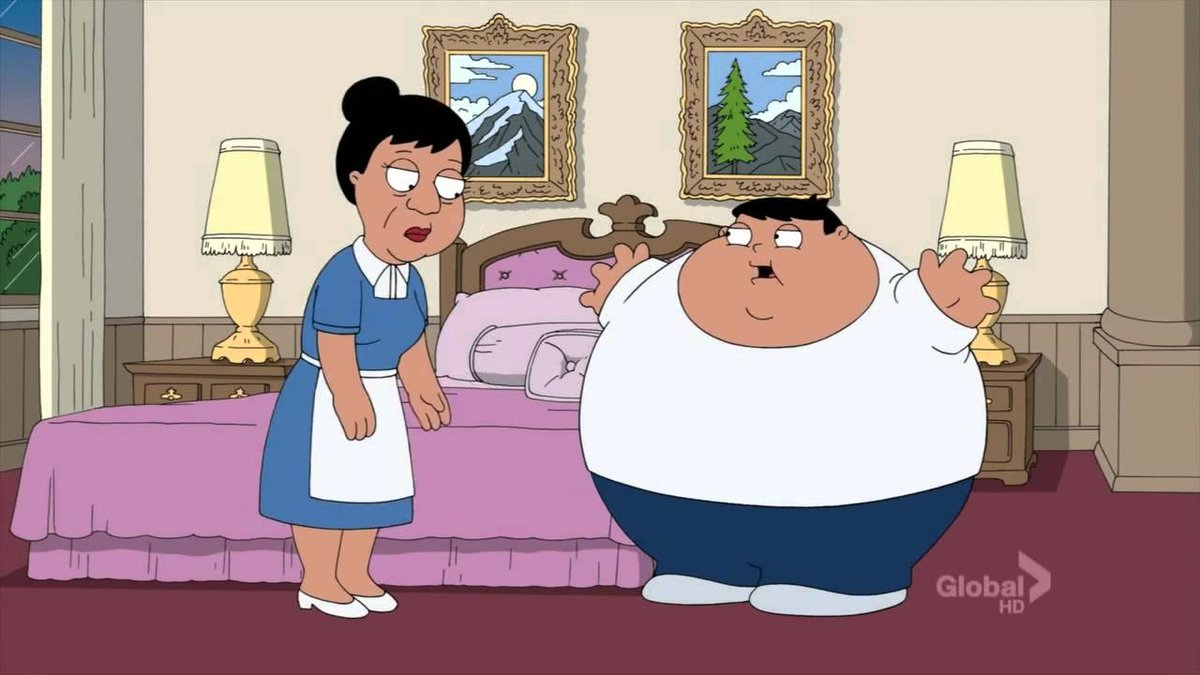
From the cutting-edge of satire to the edge of taste, Family Guy has consistently pushed boundaries, and few instances exemplify this quite like Diabeto's Role in Family Guy's Health-Related Humor. This fleeting character, memorable for his stark depiction, serves as a microcosm for the show's often controversial approach to health, weight, and societal issues, distilling complex topics into a single, shocking gag. It's a comedic tightrope walk, sparking both laughter and debate, and it tells us a great deal about how adult animation grapples with sensitive subjects.
At a Glance: Diabeto and Family Guy's Health Humor
- Who is Diabeto? A morbidly obese character, son of the Pewterschmidts' maid, appearing in a single cutaway gag.
- The Gag: Diabeto is denied a cookie and told to "roll himself back to the kitchen," highlighting extreme obesity and its connection to diet.
- Humor Style: Family Guy uses exaggeration, shock value, and dark comedy to poke fun at health issues, often without holding back.
- Controversy: The show frequently draws criticism for its portrayal of sensitive topics, and characters like Diabeto are often at the heart of these discussions.
- Satire or Stereotype? The debate centers on whether the humor offers sharp social commentary or simply reinforces harmful stereotypes.
- Lasting Impact: Despite his brief appearance, Diabeto remains a reference point for understanding Family Guy's provocative comedic blueprint.
A Brief Encounter with a Heavyweight: Introducing Diabeto
In the vast, sprawling universe of Family Guy characters, many leave an indelible mark through recurring appearances or defining story arcs. Then there's Diabeto. His existence is confined to a single, impactful cutaway gag in the episode "Welcome Back, Carter," yet his brief moment resonated powerfully enough to become a touchstone for discussions about the show's health-related humor.
The scene unfolds when Lois mentions her mother, Barbara Pewterschmidt, will be preparing dinner. Peter, ever the cynical observer of his in-laws, quickly counters that Barbara will simply have her maid do it, citing the maid's need for medicine for her "overweight son." This setup immediately signals the impending gag will touch on issues of privilege, class, and health.
Enter Diabeto. Voiced by Seth Green, he is depicted as a morbidly obese child. In the cutaway, he asks for a cookie, only to be sternly denied and told by his mother to "roll himself back to the kitchen." The name "Diabeto" itself is a stark, unambiguous reference to Type 2 diabetes, a condition often linked to severe obesity and poor dietary choices. This one short sequence, barely seconds long, packs a punch, using extreme visual representation and pointed dialogue to land its comedic blow. Explore Diabeto Family Guy further to understand his singular impact.
The Family Guy Playbook: Anatomy of Controversial Comedy
To truly appreciate Diabeto's place in the show's comedic landscape, you first need to understand Family Guy's foundational approach to humor. Since its debut, the Seth MacFarlane-created series has built its empire on a specific brand of comedy:
- Exaggeration: Every character trait, societal issue, or human flaw is amplified to absurd proportions. This is key to Diabeto's portrayal; his obesity isn't just slight but so severe it's implied he must roll to move.
- Shock Value: The show thrives on unexpected, often offensive, humor designed to elicit gasps as much as laughs. No topic is off-limits, no sacred cow spared. This fearless (or some might say, reckless) attitude extends directly to health conditions.
- Cutaway Gags: These non-sequitur comedic vignettes are a Family Guy trademark. They allow for quick, often one-off jokes that don't need to fit into the main narrative, making them perfect vehicles for characters like Diabeto who exist solely for a single punchline.
- Dark and Observational Humor: Family Guy frequently delves into the uncomfortable truths of life, society, and human nature, often with a cynical, dark edge. This includes observations about unhealthy lifestyles, consumerism, and the challenges of managing chronic illnesses.
The series often uses these tools to satirize American culture, politics, and social norms. However, the line between satire and insensitivity is constantly debated when the show tackles topics like mental health, physical disabilities, or, in Diabeto's case, obesity and diabetes. The humor often derives from confronting the audience with uncomfortable realities, leaving them to decide if the shock is worth the laugh, or if a valuable point is being made.
Diabeto's Punchline: Health Satire at Its Most Blunt
Diabeto isn't just a random obese character; his very name and the context of his appearance are meticulously crafted to deliver a specific, albeit blunt, form of health-related humor. The gag works on several levels:
The Name Game: Direct and Unflinching
"Diabeto" isn't subtle. It's an immediate, inescapable association with Type 2 diabetes. This directness is quintessential Family Guy. Instead of hinting at the issue, the show slaps you in the face with it, forcing an acknowledgment of the health crisis it represents. This overt naming strategy bypasses nuance, aiming for instant recognition and a visceral reaction. It highlights the show's tendency to strip complex problems down to their most exaggerated, simplified, and often offensive, core for comedic effect.
The Visual Gag: "Roll Yourself Back"
The command to "roll himself back to the kitchen" is a powerful visual and verbal exaggeration of extreme immobility due to obesity. It's a caricature that, while shocking, resonates with some of the dire realities of severe obesity, where movement becomes profoundly difficult. The humor here is rooted in the uncomfortable truth that for some, this level of physical limitation is a reality, juxtaposed with the absurdity of a child being so incapacitated. It forces viewers to confront the severity of the character's condition, even as it aims for a laugh.
The Cookie Denial: Diet and Responsibility
The refusal of the cookie is a central element of the joke, symbolizing the struggle with dietary control that is crucial for managing obesity and diabetes. This single interaction points to:
- Personal Responsibility: The implication that Diabeto's condition is directly linked to his diet.
- The Struggle: The desire for unhealthy food despite the clear medical consequences.
- Parental Control: The mother's attempt (perhaps too late, or too little) to manage her child's intake.
This tiny vignette distills a complex public health issue—the battle against unhealthy eating habits and the rising rates of diet-related diseases—into a single, darkly comedic moment. It's designed to make you wince, perhaps even groan, before you might laugh, forcing a brief contemplation of the underlying issue.
Walking the Tightrope: Satire, Stereotypes, and Sensitivity
The use of characters like Diabeto inevitably ignites debate. Is this sharp, necessary satire, or is it merely perpetuating harmful stereotypes and punching down at vulnerable populations?
The Argument for Satire
Proponents of Family Guy's approach often argue that the show is holding a mirror up to society, using hyperbole to highlight real problems. In Diabeto's case, the satire could be interpreted as:
- Criticism of Unhealthy Lifestyles: A commentary on the increasing rates of obesity and diabetes, particularly among children, in modern society.
- Critique of Parental Responsibility: Questioning the role of parents in managing their children's health and diet.
- Exaggeration for Effect: The extremity of Diabeto's portrayal is meant to be shocking, thereby drawing attention to a serious public health crisis that is often ignored or sugarcoated.
- Targeting the Issue, Not the Individual: The argument that the joke isn't at people with diabetes or obesity, but about the societal factors and personal choices that contribute to these conditions.
The Argument Against: Insensitivity and Harmful Stereotypes
Conversely, critics often point out that this type of humor can be deeply damaging:
- Reinforcing Stereotypes: Diabeto's portrayal risks reducing individuals with obesity or diabetes to a single, often ridiculed, characteristic. It can perpetuate the idea that these conditions are solely due to personal failing, ignoring complex genetic, socioeconomic, and systemic factors.
- Lack of Nuance: Serious health conditions are rarely simple. Jokes that oversimplify them can be hurtful and dismissive of the real struggles individuals face.
- "Punching Down": Many argue that comedy should "punch up," targeting those in power or societal flaws, rather than vulnerable groups already facing stigma and discrimination. Making fun of a child with a serious health condition can be seen as cruel and insensitive.
- Normalizing Derogation: Humor, especially widely consumed media, plays a role in shaping public perception. Jokes at the expense of those with health conditions can inadvertently normalize negative attitudes or even bullying.
This tension is precisely what makes Diabeto's role so central to understanding Family Guy's comedic philosophy. It operates in a space where humor is designed to provoke, often at the risk of offending. The show implicitly challenges its audience: Are you laughing with the satire, or at the character?
The Broader Landscape of Health Humor in Media
Diabeto isn't an isolated incident in the world of health-related humor. From exaggerated infirmities in classic cartoons to biting medical dramas, entertainment has long found ways to weave health into its narratives.
A History of Exaggeration
- Physical Comedy: Slapstick often involves exaggerated pain or physical mishaps.
- Hypochondriacs and Neurotics: Characters obsessed with their health or prone to imaginary ailments have been comedic staples for decades (e.g., Woody Allen films, Curb Your Enthusiasm).
- Medical Malpractice: Sitcoms like Scrubs and dramas like House frequently use the absurdity or severity of medical situations for humor, albeit often with a foundation of medical accuracy.
Family Guy, however, often pushes beyond observational humor into direct, often crude, caricature. Diabeto fits into a lineage of characters designed to represent an extreme manifestation of a health issue, much like the "Giant Chicken" represents Peter's irrational grievances. The difference with health is the real-world impact and the vulnerability of those who genuinely suffer from these conditions.
The Impact of Portrayal
When shows depict health issues, particularly those with strong social stigmas like obesity or mental illness, they wield significant power. Responsible media can:
- Educate: Raise awareness about conditions, symptoms, and treatments.
- Empathize: Help audiences understand the experiences of those affected.
- Destigmatize: Break down stereotypes and foster acceptance.
Conversely, irresponsible or thoughtless portrayals can: - Misinform: Spread inaccuracies about health conditions.
- Stereotype: Reduce complex human experiences to crude caricatures.
- Stigmatize: Reinforce negative perceptions and make life harder for affected individuals.
Diabeto arguably falls into the latter category for many, especially those who find the humor callous. However, for others, the character is simply a heightened, comedic representation of a very real public health challenge, presented in a way that aligns with Family Guy's established brand of provocative comedy. The show's creators consistently argue that Family Guy intends to mock societal trends and absurdities, not individuals, and that offense is often a byproduct of honest (if blunt) satire.
Decoding Intent: When Humor Crosses the Line
Understanding Family Guy's intent with a character like Diabeto is central to evaluating its humor. Is it genuinely trying to make a statement about obesity and diabetes, or is it simply going for the easiest, most shocking laugh? The answer, as with much of Family Guy's humor, is likely a complex blend.
The Comedic Objective
At its core, Family Guy is a comedy show aiming to entertain. The primary objective of any gag, including Diabeto's, is to elicit a laugh. The mechanism used is often shock, absurdity, and the breaking of social taboos. Health conditions, precisely because they are often considered sensitive and off-limits for humor, become ripe targets for a show that thrives on transgression.
The Societal Commentary Angle
It's also plausible that there's a degree of social commentary, however crude, embedded in the joke. The fact that Diabeto is the son of the Pewterschmidts' maid, for example, subtly hints at disparities in health outcomes and access, or perhaps the challenges faced by working-class families in maintaining healthy lifestyles. The over-the-top nature of the character could be an attempt to jar viewers into recognizing the severity of the obesity epidemic.
However, the rapid-fire nature of a cutaway gag means there's little room for nuanced exploration. The joke lands, and then it's gone. This brevity often leaves little opportunity for deeper meaning to sink in, making it easier for the humor to be perceived as purely gratuitous or mean-spirited rather than insightful satire.
The "Can't Please Everyone" Defense
Creators of shows like Family Guy often invoke the idea that comedy, by its nature, is subjective and that not every joke will land with every person. They might argue that if a joke offends some, it might still resonate with others who appreciate its edgy or transgressive nature. The enduring popularity of Family Guy, despite its consistent controversies, suggests that a significant portion of its audience embraces its no-holds-barred comedic style, even when it delves into sensitive territory.
Ultimately, the "line" in comedy is subjective and constantly shifting. What one person finds offensive, another might find a keen piece of social commentary. Diabeto's brief appearance serves as a potent example of this divide, forcing viewers to confront their own boundaries regarding humor, health, and satire.
Navigating Satire: A Guide for Thoughtful Consumption
As viewers, engaging with media that tackles sensitive topics requires a degree of critical thinking. How can you, as a thoughtful consumer, approach humor like that found in Diabeto's appearance?
- Consider the Source's Track Record: Family Guy has a well-established history of controversial humor. Understanding its general approach helps contextualize individual jokes. Is this an outlier, or par for the course?
- Identify the Target: What is the joke really about? Is it genuinely mocking individuals with a condition, or is it using the condition to make a broader point about society, personal choices, or even the absurdity of discussions around health? With Diabeto, the target could be the obesity epidemic, unhealthy diets, or the struggles of parental guidance, rather than the child himself.
- Recognize Exaggeration: Satire often relies on hyperbole. Understand that characters like Diabeto are often extreme caricatures, not realistic portrayals, designed to magnify an issue.
- Acknowledge Your Own Biases and Sensitivities: What you find funny or offensive is shaped by your own experiences, values, and sensitivities. It's okay to be offended, and it's also okay for others to find humor where you don't.
- Look for Nuance (or Lack Thereof): Does the joke offer any deeper insight, or is it purely shock for shock's sake? Brief gags like Diabeto's often lack the space for nuance, which can make them feel more insensitive.
- Separate the Art from the Artist's Intent (if necessary): You don't have to agree with the creators' stated intent to form your own opinion on whether a piece of humor is effective or ethical.
Ultimately, humor is a powerful tool. It can challenge, comfort, educate, and provoke. In the case of Diabeto, Family Guy leverages its signature shock comedy to create a memorable, albeit contentious, moment of health-related humor. It serves as a stark reminder of the show's willingness to go where other comedies fear to tread, leaving audiences to grapple with the uncomfortable laughter and the deeper implications.